

Implementation Initiatives
The Moving Forward Coalition advances nursing home quality by translating national recommendations, lived experience, and practice‑based learning into practical implementation initiatives. Each initiative strengthens a core condition of quality care, including person‑centered care, resident voice, workforce stability, and leadership capacity, while contributing to a shared learning and policy agenda. Together, these efforts reflect a coordinated approach to improving daily practice and advancing system‑level changes in nursing homes.

Resident Goals, Preferences, and Priorities (GPP) — What Matters to Me
The Coalition is leading a national effort to strengthen person‑centered care by developing and scaling a practical approach to elevating each older adult and person with disabilities’ goals, preferences, and priorities in care planning and day‑to‑day nursing home life. This work responds to persistent gaps in how nursing homes ask residents what matters, document that information, and reliably apply it in daily care.
Through national engagement and consensus building, the Coalition co‑designed the GPP Guide and implementation process to support consistent, meaningful person‑centered care across diverse settings. With structured implementation support led by Kansas State University, nursing homes across multiple states are testing and refining the approach. Ongoing learning from practice is informing continuous improvements to the Guide and shaping policy‑relevant insights to strengthen care planning nationwide.
Focus areas include:
Person‑centered assessment and care planning
Practical workflows that make What Matters visible and actionable
Implementation support, learning, and policy alignment

Strengthening Resident Councils
Nursing homes are not just sites of care. They are people’s homes. The Coalition strengthens resident councils as a core pathway for advancing resident‑informed decision-making and works to ensure that all residents have a meaningful voice in daily life, care, and community governance. This initiative reinforces residents’ federally required rights while supporting nursing homes in moving from compliance to meaningful engagement.
In response to national recommendations and resident input, the Coalition convened a committee of residents, Long Term Care Ombudsmen, and nursing home leaders to develop the Strengthening Resident Councils Guide. Initial pilot work in New Jersey and ongoing leadership from the Connecticut Long Term Care Ombudsman Program are generating practice‑based learning about what helps resident‑led councils thrive. These insights continue to inform refinements to the Guide and advance system‑level discussions about resident voice, accountability, and quality.
Focus areas include:
Resident leadership and collective voice
Practical tools to support effective councils
Practice‑based learning and policy implications
Advancing CNA Career Pathways
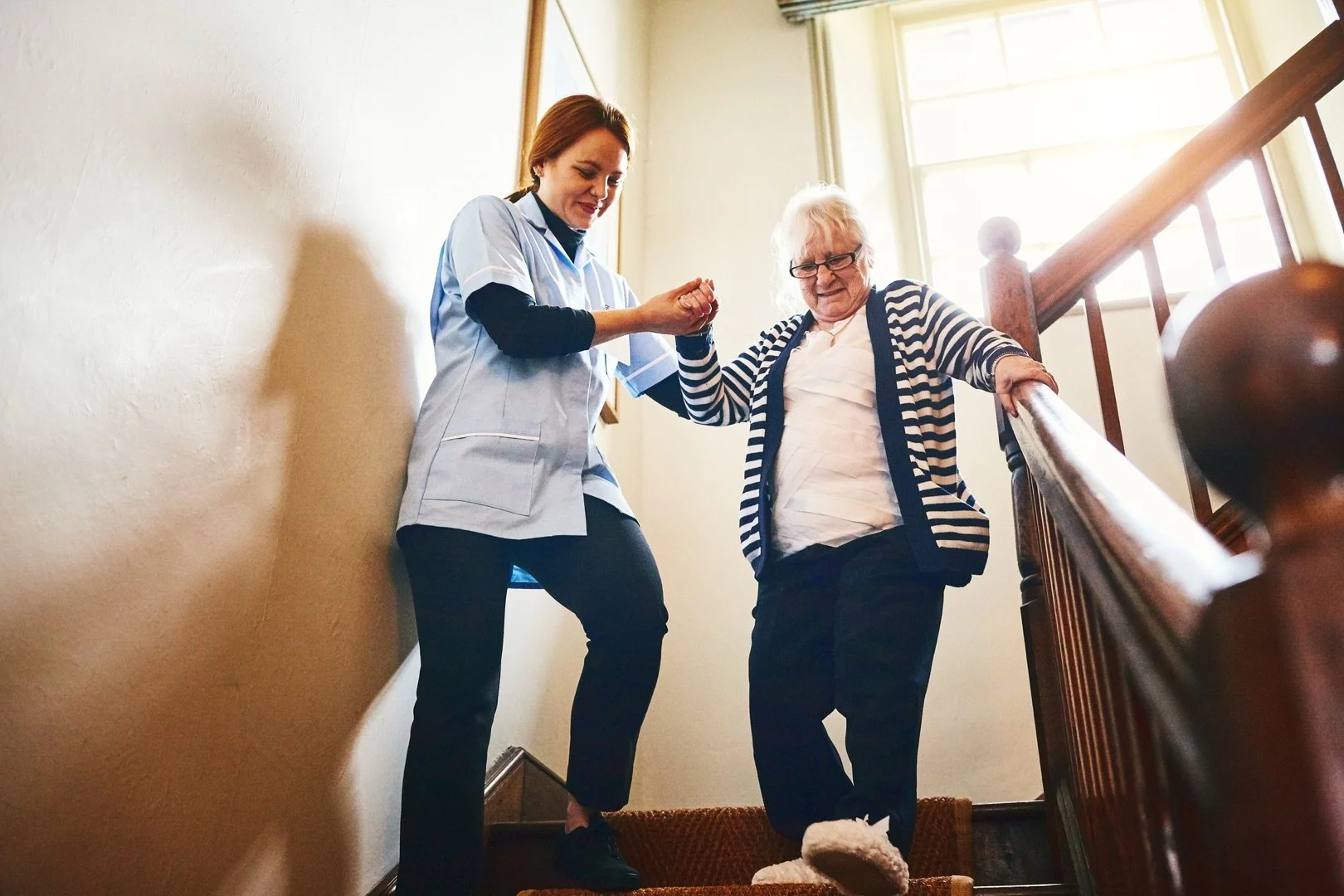
Certified nursing assistants (CNAs) deliver the vast majority of hands-on care in nursing homes and play a central role in residents’ daily lives. The Coalition advances CNA career pathways as a strategy to strengthen workforce stability, improve care quality, and help make nursing homes places where people want to work.
The Coalition convened an expert‑led committee to identify core elements of effective CNA career advancement and to elevate CNA registered apprenticeship programs as a promising, scalable pathway. Working in partnership with LeadingAge, the Coalition supports 24 Geriatric Workforce Enhancement Programs (GWEPs) to develop, refine, and implement apprenticeship models and related career advancement approaches. Practice‑based learning informs resource development and policy‑relevant insights that support workforce sustainability and stronger care delivery.
Focus areas include:
CNA registered apprenticeship programs
Employer‑informed workforce development
Practice‑based learning and system‑level alignment
Improving Nursing Home Leadership and QAPI Readiness
Strong leadership and effective Quality Assurance and Performance Improvement (QAPI) systems are essential to sustaining nursing home quality. The Coalition partnered with the Michigan State Long Term Care Leadership Team, four Michigan nursing homes, local coaches, and national experts to strengthen leadership and QAPI readiness through a statewide initiative supported by the Michigan Health Endowment Fund.
Through real‑world testing and structured coaching, this initiative translated leadership fundamentals and QAPI principles into practical, easy‑to‑use tools that support teamwork, communication, data‑informed improvement, and sustained performance improvement. Learning from Michigan continues to inform a broader understanding of what nursing homes need to strengthen leadership capacity and make QAPI more actionable and sustainable across diverse settings.
Focus areas include:
Leadership development and team effectiveness
Practical QAPI Tools and Performance Improvement Projects
Implementation, learning, and policy‑relevant insights

How These Initiatives Work Together
Across all implementation initiatives, the Coalition follows a consistent approach:
Center lived experience from residents, workers, and care partners
Translate consensus and evidence into practical implementation
Learn from real‑world practice to refine tools and supports
Advance policy‑relevant insights that support scale, sustainability, and accountability
Together, these initiatives demonstrate the Coalition’s national leadership in turning evidence and experience into action that improves nursing home quality.